Is DNA Compatibility and Dating Real?

All in all, the concept of finding someone compatible through testing their genes is not an impossible idea, but only if done completely right, with no random error.

Although existing technology is no where near doing this (finding a significant other or if people are compatible through their genes), there are some scientist who think it is. Meet Instant Chemistry, it is a company where you can send your and you and your significant others DNA to find out if you are compatible. It is like 23AndMe except with relationships.

So what exactly is tested in these companies?

All in all, these companies send you and your partner a spit tube to fill up. Once they receive these spit tubes they will then extracts your DNA and compare it to your partners. It is the same concept and mechanism as 23AndMe except that they test out different genes.

It seems pretty straight forward realistic, but there is more to it that they conveniently leave out.

Once they have the DNA they will test the HLA gene. The HLA gene is a gene that helps play a role in a person’s immune system. It is the HLA gene that helps a person differentiate between their body and what is not their body such a virus, or a foreign substance.

Image result for hla gene

On a section of their website, they say that they do the compatibility test by testing the HLA gene as they explain that it is scientifically proven that the more dissimilar that this gene is, usually the more compatible the people are as a couple. The reasoning for this is that the more dissimilar that people are the more diverse children that they will have, and the stronger their immune system will be. This information was based off off a quite known experiment: the smelly t-shirt experiment.

This experiment is where a large group of women were asked to smell shirts where male candidates had sweat in. Then those women were asked to rank the smells from most attractive to least attractive. What they found is, what women found more attractive were typically the scent of a male with the most dissimilar HLA gene to their own. But there was a catch, women who were on birth control on average seemed to have the opposite results.

Therefore the test may work but are they really accurate? What if heterosexual couple are in a relationship for one year and at that point the female starts taking birth control. Does that mean that they are all of the sudden going to be less attracted to one another?

All in all, what this says is basically that you can find out if you are compatible with your significant other by deciding if you like the smell of their sweat instead of paying over $150 for genetic testing.

Now for Dating…

The process of being matched up through DNA compatibility is a very similar but extended version of the compatibility test.

They first test the HLA gene the exact same way that they do in the other test. Then they go a little bit farther and look at the brain chemistry.

What they do is, they look at genes that are known to be linked to a humans emotional behavior. For instance, they test dopamine, serotonin, catechol-O-methyltransferase (COMT), and oxytocin (OXTR). Then depending on which form a gene a person has, they will be identified as things such a worrier, practical, a thinker, etc.
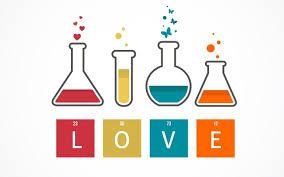
The issue with this is, that it is quite ridiculous to classify a person’s traits just from the placing of a person a cytosine, or adenine in a singular gene for it is really inaccurate.

A huge part of what makes a person and their traits, is the environment they are surrounded in. For instance, if a human was raised to think lying is okay because that is what their parents told them, then the chances that they are going to be liars when they are older are really likely. It is not saying that our DNA does not to some extent determine a person’s personality, but it is not all that there is to it. Also, it is probably necessary to test more then just one singular type of gene to determine a person’s traits. To be more accurate it is most likely necessary to test over hundreds of genes, after all humans have around 24 000 genes total each. This process however would take too long and is not possible to be done accurately at the moment.

To prove the inaccuracy of this system, Instant Chemistry actually says that these results should not be used to decide if you should be with or break up with someone.

All in All…

The most common reasons for divorce usually result in infidelity, growing apart, addiction, too much conflict and so on. It is safe to say that these DNA test are not likely to predict things such as if someone’s spouse is going to cheat on them in the future.

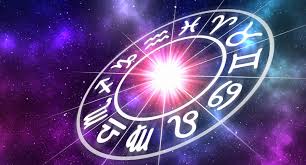
It is no secret that some personalities get better along with others, but at what extent? Another thought to keep in mind is who and what decided what traits people have are compatible. All in all, people can believe what they want but there is no denying that what Instant Chemistry does is another version of astrology readings using genes.
In the future there are chances that more accurate versions of tests like these could give humans more accurate results, but until then there is a long way to go and they will never be 100% accurate.

Conclusion

The best way to put it and sum it up is with a quote of James Sherlock, “choice of relationship partner is an immensely complex ballet of biology, culture and circumstance: genes are just one part of the story.”

Thank you for reading. If you have any question or comment please leave them down below.

-Maggie Claus
the New World of Epigenetics

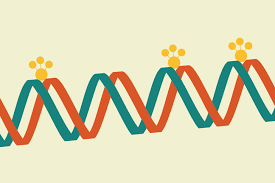
Almost everything can change a person’s epigenome. It doesn’t have to be a dramatic change or a change that last forever but even simple everyday tasks like exercising changes a person epigenomes to a certain extent.

Epigenetics is a large and broad topic, where there is still a infinite amount of things to yet find out about concerning it. One of the may unknowns that is a little controversial in present time is, whether epigenetics can be passed down to the next generation. This concept is called Transgenerational Epigenetics Inheritance.

It is quite known that epigenetics can affect a child in the womb but making complete sense for the baby is alive and depends on the mother to be healthy enough to carry them. In fact quite commonly in the war (mostly noticed after world war two and people involved in the holocaust), many of the babies being born, were larger and overweight throughout their life. This is because during the war, may women would not have as healthy of a lifestyle due to the poor condition. For instance, many were malnourished from the lack of food. The baby then through epigenetics blocked some of the activity that allows them to have a faster metabolism and break down fats more efficiently for their body was trying to protect them from any future events as such. Therefore, once they were born and the war was over, even of they ate regular meals, their body was used to storing more fat making some more overweight in case the body ever had to face long periods of hunger again.

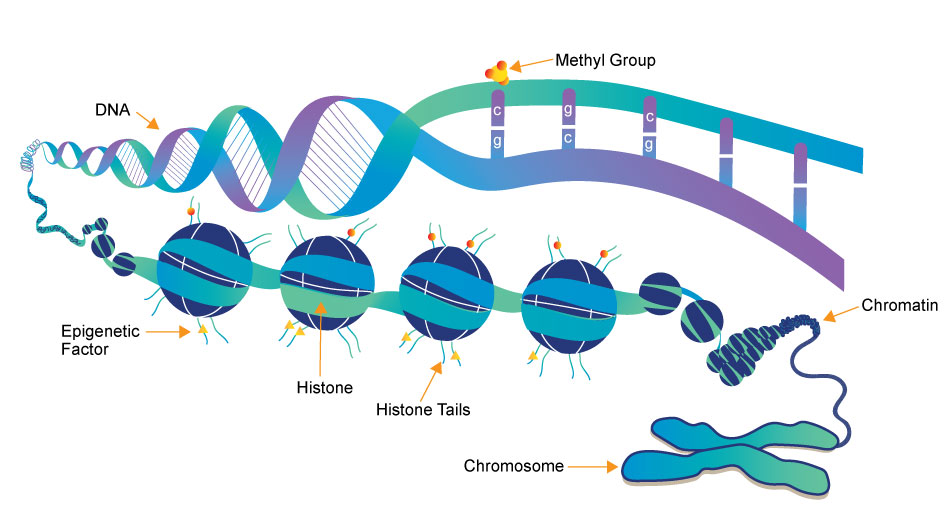
Visual of Epigenetics

Many people believe that this will then affected the next generation as well, but there is not enough concrete in formation to truly prove it.

The thought around that idea is that many common genetic traits such as addiction, mental illnesses, and so on are also closely linked to epigenetics, but that doesn’t mean that all are solely based on epigenetics. So far, there is no way of knowing if these traits were inherited genetically through regular bad luck alleles, or were inherited by epigenetically altered genes.

Up to date, there has been no study done with concrete results. Some sources may say otherwise but it is not necessarily true. For instance, an experiment can be done hundreds of times and only turn up right ten of those hundreds of times. The probability that these results were fluks, or purely coincidental rather than a true result are quite large. After all, any numbers can be turned to mean or say anything someone wants. For instance, as a McGill professor Jonathan Gerry explained in one of his videos concerning epigenetics, these kinds of experiments are the same thing as saying that “if your sisters grandpas mistress was a smoker, your aunts in law second great cousin nephew may consequently have a cough at the age of 50”, showing that the positive results are coincidences and probably have no relationship to one another.

In the end, epigenetics is a huge subject where there is yet plenty to find out about. In the past, currently, and most likely in the future they will keep on studying what epigenetics is and what it causes. For now, what is most prevalent and the biggest challenge in epigenetics, is to see if transgenerational epigenetics inheritance is real with concrete and actual proof.

Thank you for reading! if you have any questions and/or comments please leave them down below.

-Maggie Claus
The Effects of PTSD on Genes

What is PTSD? Why is it that something in someone’s life can impact them mentally for such a long time after it happens?

A huge part of why it is that traumatic experiences such as being bullied, being in a crisis, being in a dangerous situation, and so on, cause PTSD (post traumatic stress disorder), has a lot to do with epigenetics.

Up until recently, it was thought that PTSD was just a mental health issue, and only affected the brain, but it is now known that it also can affect a person’s genes.

Epigenetics is the system of genes being turned on or off according to different factors causing the activity of these certain genes to be, not to be, or to partially be carried out. In this specific situation (PTSD situations), it is caused by traumatic experiences.

So how does this happen?

It all start with the SERT gene being affected. This gene gets suppressed (typically not fully) therefore, not allowing it to do its job or not allowing it do its job to its full potential.

The SERT gene is the gene that is responsible for transporting serotonin. Without this transportation of the serotonin, the hypothalamic-pituitary-adrenal (HPA) axis is altered.

The HPA is what usually helps a person cope with daily and non-daily issues. Without or with less serotonin, it becomes more difficult for humans cope in a healthy way. On top of that, serotonin is what helps regulate mood, social behaviour, sleep, memory, eating habits among many other things. Therefore, low serotonin will not only cause PTSD but is linked to many other mental health issues such as depression, anxiety, and so on, which no surprise, are also linked to PTSD.

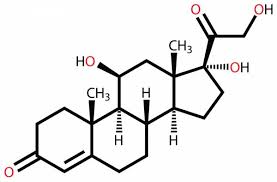
In these kinds of events, cortisol (a hormone) is decreased the more that the SERT gene is turned off, therefore, the more and repetitive traumatic experiences faced by someone, the more that these experiences tend to affect them. Cortisol can be good for humans in tough and stressful situations by thing such as, balancing hormones, sugar levels, and a person’s metabolism. In these situations stress is also increased and can be good. For instance, when being chased by a tiger stress helps a person’s pupils dilate to see better, and gives them adrenaline to run faster. Yet too much stress can be harmful to humans. Therefore, throughout these various stressful situations which can harm the body, the body tries to protect itself by decreasing the cortisol in efforts cause a person have less stress overall in their life.

Cortisol

These changes in the cortisol can have very negative effects and can be commonly long term in affecting the mental health of someone drastically.

Why not Everyone gets PTSD after Traumatic Experiences

The reason as to which some people are more sustainable to having PTSD from certain situations in purely genetic.

When inheriting genes from one’s parents, there are three sert gene genotypes that can be inherited: long-long, short-long, or short-short. It is hypothesised that those with short-short genotypes are more suitable to mental illnesses such as depression and PTSD than those with long-long genotypes.

Although some are more suitable to PTSD than others, it does not matter which one of these genotypes a person has, they are still at risk and have a possibility of having PTSD and other mental illnesses that come along with it.

Conclusion

In the end, traumatic experiences that happens in one’s life can not only affect their mental state but also affect their genes through epigenetics. It is a response that the body has in efforts to try and protect it but in the end harm them psychologically instead of protecting.

Thank you for reading this post on how PTSD and epigenetic are related. If you have any comment or questions please leave them down below in the comments.

-Maggie Claus

How Queen Bees are Made

What is the difference between a normal bee and a queen bee? What decides which bee gets to be the leader of the hive or just a normal working bee?

The way queen bees are made, is no random selection, or a mutation. In fact, the only thing that sets the queen bees apart from the other bees is epigenetics. Epigenetics is the mechanism of genetic expression. Specifically meaning, the process of genes being shut on and off therefore, some genes will be read/performed, or ignored.

Image result for bees

It Starts off when a colony of bees decide that they need queen. From there on, the current queen chooses a few larvaes of the ones she lays to make them the queens.

Next, the queen bee larvaes and the regular larvaes are fed. At the beginning, all of the larvaes are fed the same food: protein, and amino acid-rich secretion (produced by glands in mouths of young working bees). Soon after the working bee larvaes are weaned meanwhile, queen bees are fed until they “hatch”.

Now for the Genetic part of it…

On this planet, many living things such and animals, plants, humans have shockingly similar DNA. One of the things that they have quite similar is the genetic sequence (the order in which the nucleotides are placed). One of the codes that are shared is the methyltransferase (Dnmt3). In a mammal, the methyltransferase is what allows the epigenetic mutation (the turning on and off of genes) to happen.

The methyltransferase molecule is an enzyme that works by attaching to the DNA in certain sections, which then suppresses the activity of that certain gene.

Image result for epigenetics in process

First the DNA methylation regulates and chooses which DNA segments are going to be carried on or suppressed. These regulations include controlling the process of chemicals passing on information signals in the nervous system, and controlling reactions involving fats and proteins. Then the Dnmt3 instructs for the methyltransferase to be made. Next, the methyltransferase attaches to these specific DNA segments. Since a queen bee larvae are fed differently than a working bee larvae, the DNA methylation regulates the genetic material of the queen bee differently than the regular working bee.

All in all, DNA needs direct access to proteins to carry out their task, and epigenetics is when this connection is lost (sometimes temporarily and sometimes permanent) therefore, the genetic coding can not be fully or partially carried out.

This specific case of epigenetic mechanisms with the Dnmt3 and methyltransferase, usually happens before birth explaining why queen bees are born to be queen and do not become bees throughout their lifetime.

What does all of this change for the queen bee?

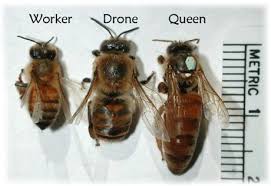
Most evidently, the epigenetics causes the queen bees too look completely different: smooth and larger bodies, longer legs, and so on. The effect of epigenetics allows the queen bee to be able to use her stinger more than just once and live for much longer than a regular working bee. In fact, queen bees can live for several years while normal working bees usually die after just a few weeks of living.

One of the bigger things that differentiates queen bees from working bees is, the queen can lay both female and male larvaes, usually making them the main bee to lay eggs in a hive (because they can mate). This also means that, the queen is the only one that gets to decide who will be what (a queen, worker, or a drone). The reason for this is that working bees cannot mate (unlike queen bees) therefore, they can only produce drones (male bees) and drone bees can not produce anything except sperm.

As a final thought…

In the end, the difference of a queen bees and a regular bees does not come from the difference in their DNA. In fact, their DNA is exactly the same (the same way all human DNa is the same). the only difference is that the genes that are expressed in a queen bee are different than the ones of a working bee. In the end queen bees tend to be stronger and wiser than a regular bee making it evident that being fed well as a larvae can make a big difference in how genes are expressed more positively.

If you have any further questions please feel free to ask in the comment. Thank you for reading,

-Maggie Claus

Cool Facts About Genetics

1. If one set of identical twins have offsprings with another set of identical twins, the children are genetically siblings, but are socially cousins. This is because, aside from life alterations through epigenetics, identical twins have the exact same genetic material. Therefore, the children of the different sets of parents, have the same possibilities range of alleles to be passed down making them genetically equivalent to siblings.

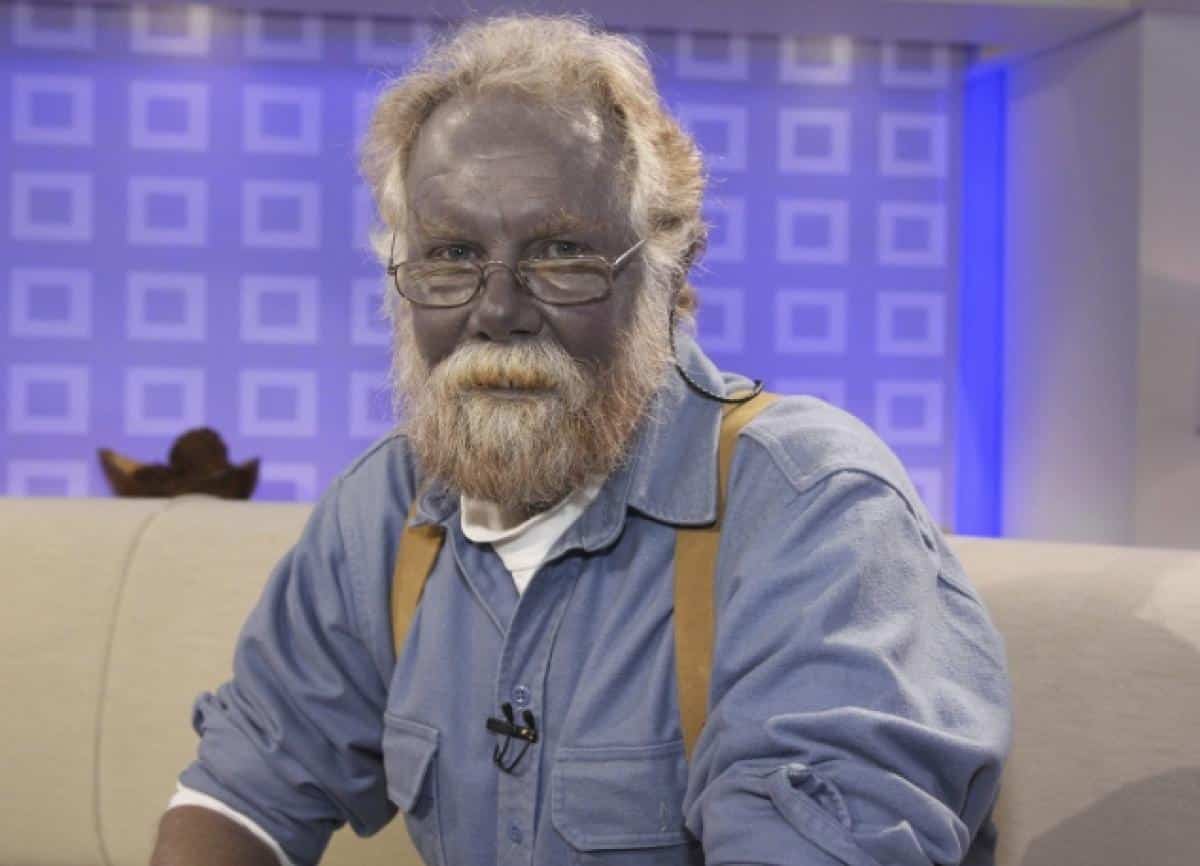
2. There is a very rare genetic disease that makes a person’s skin blue. It is called methemoglobinemia. This is a recessive non-sex linked trait. It is also more common between intermarriage. In fact, there is a blue skinned family in Kentucky by the name Fugates.

Image result for methemoglobinemia fugate
Methemoglobinemia
Elisabeth Taylor

3. The reason as to why the famous Elizabeth Taylor had such beautiful eyes was caused by a genetic mutation. Taylor had distichiasis. Distichiasis is caused by a mutation in the FOXP2 gene causing the person to have a double row of eyelashes making their eyelashes more voluminous.

4. Sickle cell anemia is a a blood disease of when a person’s blood cells become crescent shaped therefore, get stuck in small blood vessels and slow/stop the flow of oxygen to other body parts. This disease is simply caused by a point mutation, meaning a single change in a base pair. It is also more common in african descent and a carrier of sickle cell anemia, becomes immune malaria parasites.

5. People with blue eyes most likely have an ancestor in common 6 000-10 000 years ago that had a genetic mutation causing blue eyes.

6. Around 10% of europeans are resistant to HIV. This is thanks to a disease in the middle ages. This genetic mutation is CCR5-Delta32 . It can also happen in africans and asians but it is not nearly as common.

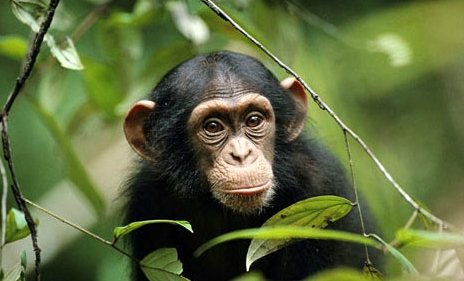
7. Humans and chimpanzees share around 96% of the same DNA. this is because they are the closest relatives to humans that we know of. Despite the close relation, a group of 55 chimpanzees, has twice the genetic variability of all humans combined (in West Africa).

Image result for chimpanzee in west africa

8. Tetrachromacy is a genetic mutation that is found mostly in women. This causes them to have four different types of cone cells instead of the regular three cone cells. Therefore, people with tetrachromacy can see upto 100-million colours, instead of around the 1-million colours that regular humans can see.

-Maggie Claus

Introduction

Genes. Everything that makes us who we are. Without them the body would not know what to do and how to function. They are an essential component that allow humans animals and plants to live.

My main curiosity about genes can be summed up as: depending on what a living thing does, acts, or is treated can its genes changed?

Image result for genes

During this journey I will be starting off by researching this question throughout different circumstances. It may be a straight line, or I might end up with looking into a total different concept than the one I started with.

But all in all i hope that you enjoy!

-Maggie Claus

Design a site like this with WordPress.com
Get started